Iran plans crypto toll for ships in Hormuz
Iran proposes oil transit fee in cryptocurrency during fragile Hormuz ceasefire
A new development in the Middle East has raised global attention as Iran announced a plan to charge oil tankers passing through the Strait of Hormuz. The country said that shipping companies may have to pay a fee of one dollar per barrel of oil, and the payment would be made in cryptocurrency. This proposal comes at a time when a temporary ceasefire is in place between Iran, the United States and Israel.
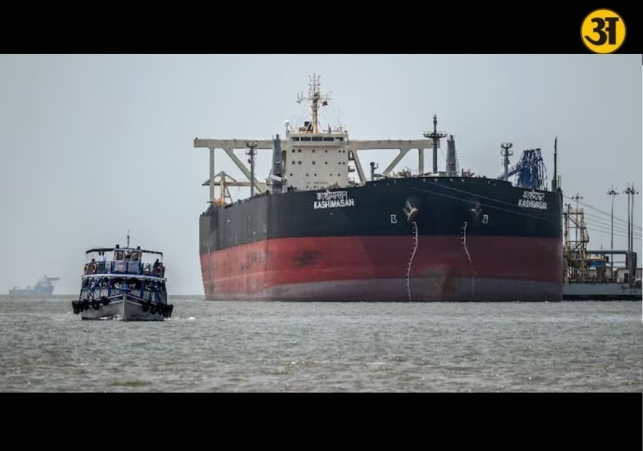
The Strait of Hormuz is one of the most important shipping routes in the world. A large portion of global oil supply passes through this narrow waterway. Any change in rules or security conditions here can affect global oil prices and energy supply.
The situation remains uncertain as the ceasefire is only for two weeks and is described as fragile by officials.
Ceasefire allows limited movement through Hormuz
After days of rising tensions, Iran and the United States agreed to a two-week ceasefire. Israel is also part of the broader situation, although its role in the ceasefire remains unclear in some areas. This agreement allowed ships to start moving again through the Strait of Hormuz, which had earlier seen disruptions.
According to maritime tracking data, two ships successfully crossed the strait soon after the ceasefire was announced. One of them was a Greek-owned vessel, while the other was flagged under Liberia. These movements signaled that the route was reopening, at least partially.
Iran’s Foreign Minister Abbas Araghchi said that ships would be allowed to pass through the strait only after coordination with Iran’s armed forces. This means that Iran wants to closely monitor all ship movements during the ceasefire period.
Iran has also suggested that ships may need to use specific routes, particularly those closer to its coastline. This could increase control but may also raise safety concerns for international shipping companies.
Despite the ceasefire, reports of fresh attacks in parts of the region have created doubts about how long the agreement will hold. Some Gulf countries and Iran have reported new strikes, which could threaten the fragile peace.
ALSO READ: Trump signals possible Iran deal while warning of strong military action
Plan to charge oil tankers raises concerns
Iran’s proposal to charge a toll for oil passing through the Strait of Hormuz has become a major point of discussion. The plan is to charge one dollar per barrel of oil transported through the route. What makes this proposal unusual is the requirement that payments be made in cryptocurrency.
Officials in Iran say the goal is not just to collect money but also to monitor what passes through the strait. They believe that strict monitoring will prevent the movement of weapons during the ceasefire period.
However, many questions remain unanswered. It is not clear whether other countries or shipping companies will agree to this condition. There are also concerns about whether vessels will feel safe using the route if such restrictions are imposed.
The Strait of Hormuz is used by many countries, including major oil producers in the Gulf region. Any new rule affecting transit could impact global trade and energy markets. Even a small disruption in this area can lead to rising oil prices worldwide.
Experts also point out that introducing cryptocurrency payments in such a sensitive global trade route is unusual and may create technical and legal challenges. Not all companies are equipped to make such payments, and international regulations around cryptocurrency vary widely.
At the same time, Iran is trying to assert control over the strait during the ceasefire period. By doing so, it may be attempting to strengthen its strategic position in the region.
The broader conflict in the Middle East adds to the uncertainty. Issues like Iran’s nuclear programme and missile capabilities are still unresolved. The United States has indicated that it may work with Iran on some of these matters, but Iran has not confirmed any such agreement.
Public reactions within Iran also show mixed emotions. While the ceasefire has brought temporary relief, many people remain angry and distrustful of foreign powers. Protests and strong slogans have been reported in Tehran following the announcement of the ceasefire.
Overall, the situation remains tense and unpredictable. The ceasefire has opened the door for dialogue and movement, but the introduction of new conditions like the proposed toll could complicate matters further.
The coming days will be crucial in determining whether the ceasefire holds and whether global shipping through the Strait of Hormuz can continue smoothly. For now, the world is watching closely, as any development in this region has far-reaching consequences for energy supply, global markets and international security.
Related News